
Four Ways Quick Ways
to Promote Understanding of Place
Through the Use of
Primary Sources and Instagram
Four Ways Quick Ways
to Promote Understanding of Place
Through the Use of
Primary Sources and Instagram
Have you found a neat
primary source somewhere in your travels? Have you snapped a photo of it and
said “I’ll use that later in the classroom?” Well here is a way to put those
Instagram photos to work in the classroom (and gain a larger understanding
about historic places and primary sources to boot!)
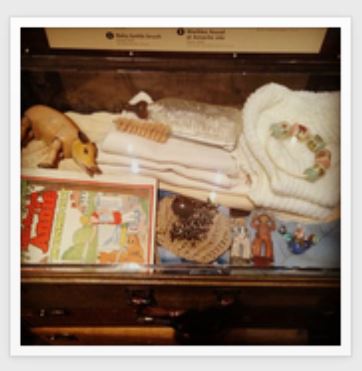
First: Access Resources Normally Unavailable. Have you ever wished you had a copy of a really great artifact? Or you
are able to take one yourself without a flash so that you have it for use in
the classroom? Be brave! Ask for permission (PLEASE check with your museum
professionals about that requirement!) and
then shoot away and bring those resources into the classroom. Not only can you
print or digitally share the resource to use in the classroom, but you can connect
with your students through Instagram and let them review a series of artifacts
to start an inquiry lesson. You know the
flipped classroom idea? Here is a way to have your students access them by:
·
#Hashtag a series of photos to have them analyze
a group of artifacts or photos from a historic location to think about what
they are seeing. Need a quick analyzation resource? Check out the Library of
Congress resources located at http://www.loc.gov/teachers/usingprimarysources/guides.html
·
Have them review an Instagram pic on a #hashtag
with a key question in preparation for a classroom discussion the next day.
·
Are you travelling? Is a colleague or family member?
#Hashtag a series of artifact or place photos to share with a team of colleagues.
No need to print the pics ~ instead just share the #hashtag and encourage
collaboration across schools on a common topic of study and share resources at
the same time.

Second: Challenge
students to investigate places they are unfamiliar with, a historic site, a
connection to a place they have read about in a book, etc. by:
·
Following
#hashtags on Instagram to see photos about events and people visiting the
location at different times and sometimes in different eras!
·
Go to the site and snap a picture and share a description
with other students on a common #hashtag. Better yet, put yourself in the shoes
of someone else who has been there and tell a story about that place from THEIR
perspective using Instagram photos. Succinct
writing about non-fiction, and evidence-based learning activities are tied to
National Common Core, but more importantly to plain good practice!
·
Are you at a museum that has a collaborative
#hashtag? Have students add their photos to that organization’s stream of photos
if allowed. To extend the partnership, have students collaborate with a small
museum, historic house, non-profit, or other agency and let students take the
lead on filling their photo stream on Instagram with photos from their perspective
which highlight their connections to a place. They will see things differently
than an adult or historian and it will help provide capacity to that local
site.
Third: Change it up! Use Instagram as an editing tool for altering photographs to use in the
classroom. Instagram can help you differentiate instruction by:
·
Instagram has great filters that spark
creativity. Let students use them to their advantage and present photos in a
different way to their friends and in presentations to spark engagement and
interest and support creativity.
·
Consider shooting a picture of a map or other
item dependent on color and filter it block and white. By removing color, the
inquiry level is often raised and it will spark new and different
conversations.
·
Use Instagram to as an impromptu cropping tool
to take unwanted items out of a photo to help reduce learning distractions for
students.
·
Use the crop tool to pull out sections of text
from a primary source so that students can focus on it while reading instead of
being overwhelmed by too much text on the document, or difficult vocabulary.

Fourth: Engage Others to Promote Learning ! The
best learning comes from engaging others with the topic at hand. Although the
above ideas tie into this idea because of the natural uses of social media,
here are some extended activities:
·
Create a classroom #hashtag for your Flat Stanley
project and share where he has been in addition to the traditional snail mail
version of artifact collection! Create his own collection of primary sources that
can later be used in the classroom but also are shared on Instagram in a public
or private account.
·
Challenge students to post an Instagram photo to
a common #hashtag and ask the question and answer it to using “what is this?” Designs in architecture, bugs,
historic sites, environmental challenges… the list is endless and let their
imaginations run wild.
·
In the classroom, bring up the #hashtag images and
use them as creative writing prompts, or map them on a wall map, Google or
other social media sites for all to see!
·
Use re-photography and compare the then and now of a place. Print out a historic photo and
take it to a place. Shoot a new one and compare! Take a look at examples at:

